
¿Qué es un faro con sensor de ondas?
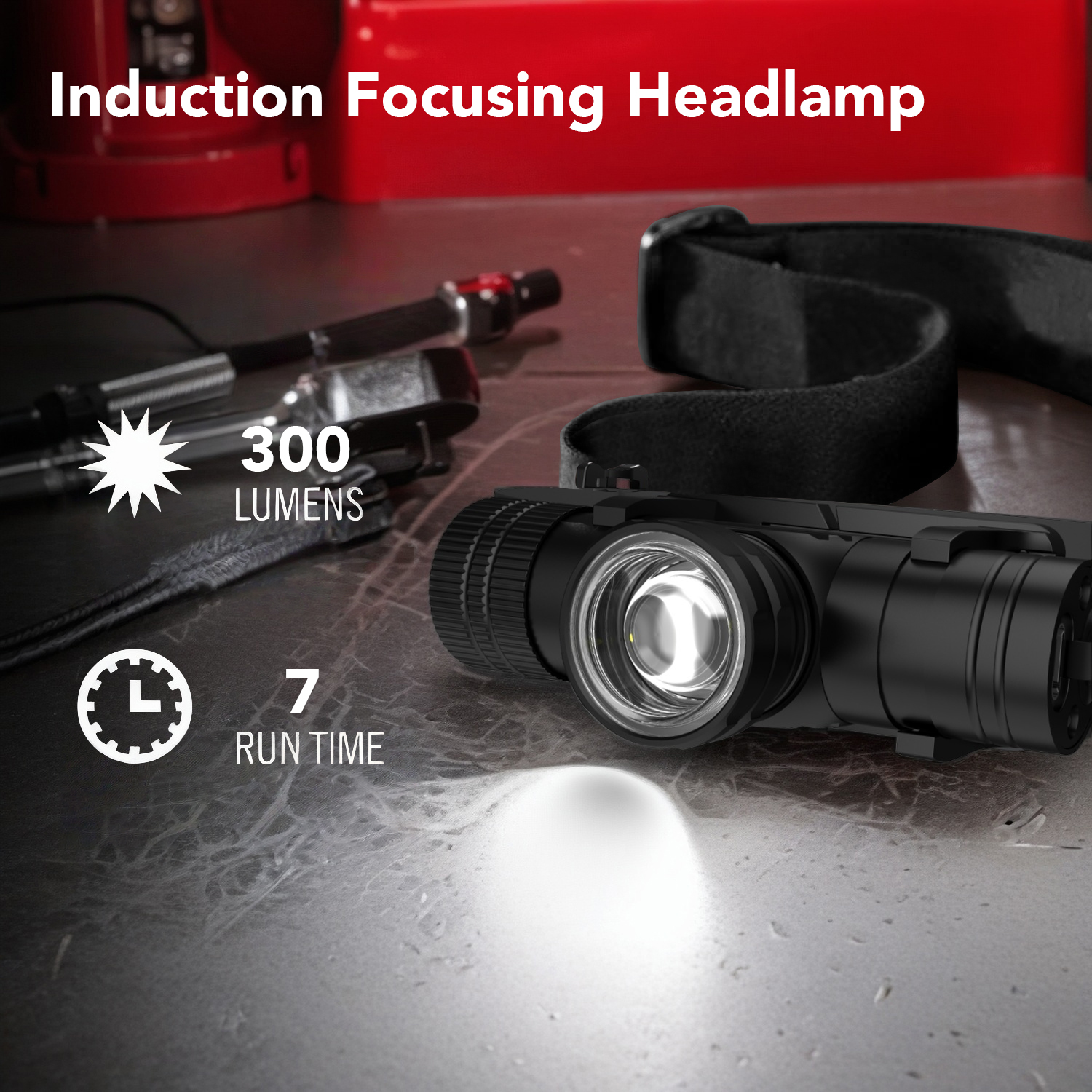
Un faro con sensor de ondas es un faro manos libres que utiliza un sensor de movimiento, a menudo un sensor infrarrojo, para encender o apagar la luz con un simple gesto de la mano en lugar de pulsar un interruptor físico. Es útil cuando los usuarios llevan guantes, tienen las manos sucias, reparan equipos, acampan, hacen senderismo o trabajan de noche. Los compradores no deberían evaluar solo la función de detección; El brillo, el alcance del haz, el sistema de baterías, el grado impermeable, el confort al uso y la fiabilidad de la vivienda también importan. HL8 es un inteligenteFaro con sensor de ondascaja con LED de 5W, modo alto de 300LM y alcance máximo de 69m. Los compradores B2B deben planificar la lógica del sensor, la estructura, la batería, la comodidad de la diadema, la explicación del embalaje y las pruebas en función de la aplicación objetivo.
Por qué los interruptores tradicionales de los faros pueden fallar en el trabajo real
Los faros tradicionales de botón siguen siendo prácticos para muchos usuarios porque un interruptor físico es sencillo, familiar y fiable. El desafío aparece cuando los usuarios llevan guantes, sujetan herramientas, trabajan en espacios reducidos o lidian con aceite, polvo, barro o clima frío. En esas condiciones, un pequeño botón puede ralentizar al usuario.
La reparación de automóviles, el mantenimiento eléctrico, la inspección industrial y las tareas de almacén suelen implicar manos grasientas o sucias. Pulsar repetidamente un botón puede ensuciar el cuerpo de la lámpara, interrumpir el ritmo de trabajo o obligar al usuario a quitarse un guante. Los usuarios de exteriores también necesitan un control rápido al montar una tienda, hacer senderismo en la oscuridad, correr de noche o gestionar el equipo bajo la lluvia.
El valor de unFaro con sensor de ondasno es que todos los faros tengan que usar un sensor. El valor es resolver la fricción real de funcionamiento con control manos libres, conmutación intuitiva y reducción de la materia de contacto. Por tanto, los compradores B2B deberían evaluar la acción del usuario, no solo el brillo máximo.
¿Qué hace diferente a un faro con detección de olas?
AFaro con sensor de ondases diferente porque cambia la forma en que el usuario interactúa con la luz. En lugar de pulsar siempre un pequeño botón, el usuario puede controlar la lámpara mediante el movimiento de la mano cerca del sensor. Esto puede hacer que el producto sea más cómodo tanto en el lugar de trabajo como en situaciones al aire libre, donde el control táctil es menos práctico.
Añadir un sensor no es suficiente por sí solo. La sensibilidad del sensor, la distancia de respuesta, el control de disparador falso, la lógica física del interruptor de respaldo, el orden de modo y la gestión de la batería deben diseñarse juntos. Un sensor que se activa demasiado fácilmente puede frustrar a los usuarios, mientras que uno que responde lentamente puede reducir la confianza en el producto.
Para las marcas B2B, el diseño de faros inteligentes requiere coordinación entre el diseño electrónico, la estructura de la carcasa, la disposición óptica, la experiencia de usuario y las instrucciones de embalaje. Un faro LED recargable con control de onda debería explicar claramente cómo funciona el sensor, cuándo usarlo y cuándo puede ser más apropiado un interruptor físico. La detección de ondas es adecuada para tareas seleccionadas, no es un requisito universal para todas las categorías de faros.
Estudio de caso HL8: Un faro inteligente de detección de ondas de 300LM
HL8 es unFaroProducto posicionado como un faro inteligente con sensor de ondas para trabajo manos libres e iluminación exterior. No debe describirse como un producto de arma, luz de buceo, dispositivo médico o producto certificado contra explosiones. Su valor proviene de combinar la detección de movimiento por infrarrojos, modos prácticos de salida, construcción en aluminio y planificación de baterías recargables.
El modo alto de 300LM es adecuado para trabajos a corta y media distancia, caminatas al aire libre, acampada y asistencia en reparaciones. No debe exagerarse como un foco de largo alcance. El alcance máximo de 69 m se adapta a la visibilidad general exterior y en el lugar de trabajo, en lugar de la posición a distancia del lanzador.
El 140LM en modo medio y el 55LM en modo bajo ayudan a reducir el deslumbramiento durante tareas a corta distancia y pueden soportar un uso más controlado de la batería. El estroboscópico 300LM y el SOS 140LM son características de visibilidad de emergencia y no deben describirse como funciones de ataque o defensa propia.
La batería de iones de litio 18650 de 1800mAh es compatible con el producto como faro LED recargable para uso repetido. El cuerpo de aleación de aluminio 6063 y el acabado negro anodizado le dan al cuerpo de la lámpara una sensación más duradera y profesional que una carcasa puramente de plástico. IPX5 soporta la lluvia y la exposición general al exterior, pero no debe describirse como capacidad de buceo o aguas profundas. La resistencia al impacto de 1 metro se adapta a los riesgos de desgaste diario y manejo en obra.
HL8 utiliza un diseño de faro ligero y figura como 86,8g en los datos de referencia del producto. Sus dimensiones estructurales de referencia incluyen una luz trasera de 24,00 mm, una longitud de faro de 85,65 mm y una anchura de 23,50 mm en la posición del interruptor.
¿Dónde tiene más sentido el control de detección de olas?
La detección de ondas es valiosa cuando los usuarios necesitan controlar la luz sin tocar el cuerpo de la lámpara. Es especialmente útil en situaciones donde las manos están ocupadas, sucias, enguantadas o se mueven entre herramientas y equipos. Debe seguir relacionándose con la categoría de producto específica y el grupo de usuarios.
¿Cómo deberían evaluar los compradores un faro LED recargable?
Un faro LED recargable debe seleccionarse por distancia real de uso, duración de uso, método de control, comportamiento de la batería y exposición ambiental. El brillo máximo es solo una parte de la historia del producto. Un faro demasiado brillante para trabajo cuerpo a cuerpo puede crear deslumbramiento, mientras que un producto con modos bajos débiles puede desperdiciar batería y reducir la comodidad.
El alcance del haz importa, pero la calidad del haz a corta distancia también importa. Un faro de trabajo puede necesitar iluminación controlada de campo cercano para su reparación e inspección. Un frontal exterior puede necesitar suficiente distancia para caminar, pero aún así requerir un modo cómodo y bajo para tiendas de campaña, mapas y tareas de acampada.
La capacidad de la batería debe coincidir con el tiempo de trabajo esperado y los hábitos de uso. Un sistema de baterías recargables debe estar respaldado por instrucciones claras de carga o mantenimiento, un lenguaje de embalaje seguro y una posición realista del producto. El control del sensor debe ser intuitivo, fiable y fácil de explicar.
El peso y el equilibrio afectan a la comodidad a largo plazo. La resistencia a la impermeabilidad debe adaptarse a la lluvia, salpicaduras y la exposición al trabajo exterior, mientras que la resistencia a los impactos debe coincidir con el riesgo de manipulación. La elección de materiales también influye en la durabilidad y el posicionamiento en el mercado, especialmente al comparar los diseños de faros de aluminio con productos básicos de plástico.
Faro con sensor de ondas vs faro tradicional de botón
Un faro con sensor de ondas y un faro tradicional de botón pueden ser adecuados. La mejor elección depende de la aplicación, el comportamiento del usuario, la posición de precio, la complejidad electrónica y la estrategia de la línea de productos.
| Factor de selección | Faro con detección de ondas | Faro tradicional de botones | Conclusión del comprador |
|---|---|---|---|
| Método de operación | Utiliza control de movimiento por onda manual más lógica de conmutación específica para el producto. | Utiliza la operación física directa de los botones. | Elige por tarea del usuario y preferencia de control. |
| Uso con guante | Puede reducir la necesidad de buscar un botón pequeño. | Puede funcionar bien si el botón es grande y táctil. | El control por sensor ayuda cuando los guantes reducen la precisión del tacto. |
| Entornos de manos sucias | Ayuda a reducir el contacto directo con el cuerpo de la lámpara. | Puede transferir suciedad o aceite al interruptor. | El control por ondas se adapta a tareas de reparación y mantenimiento. |
| Riesgo de activación accidental | Necesita un alcance adecuado del sensor y control de disparador falso. | Depende de la ubicación del interruptor y del diseño del bloqueo. | Ambos diseños requieren una lógica de control cuidadosa. |
| Complejidad electrónica | Requiere integración de sensores, circuitos y un firmware o comportamiento de control claro. | Normalmente arquitectura electrónica más sencilla. | Las funciones inteligentes necesitan una revisión de desarrollo más sólida. |
| Planificación de baterías | El uso del sensor y los modos de salida deben considerarse juntos. | La planificación de baterías se centra principalmente en el comportamiento de salida y de ejecución. | El método de control puede influir en la estrategia de potencia. |
| Curva de aprendizaje del usuario | Los usuarios deben comprender la activación de sensores y la lógica de modos. | Los usuarios suelen estar familiarizados con el funcionamiento de los botones. | El embalaje debería explicar claramente el control inteligente. |
| Explicación del embalaje | Debería explicar el uso del sensor, la distancia y los límites de disparo falso. | Puede centrarse en modos, batería y funcionamiento básico. | Los faros inteligentes requieren un diseño de instrucciones más sólido. |
| Aplicaciones típicas | Reparaciones, obras, acampadas, senderismo, almacén y tareas de manos sucias. | Uso general al aire libre, doméstico, de emergencia y trabajo sencillo. | Adapta el tipo de producto al entorno operativo. |
| Posicionamiento B2B del producto | Categoría de iluminación inteligente manos libres de mayor valor. | Categoría de faros sencillos, familiares y sensibles al coste. | Ninguna de las dos categorías es automáticamente mejor para cada línea. |
¿Qué deberían comprobar los compradores B2B antes de desarrollar faros inteligentes?
Los compradores B2B deberían evaluar la lógica de los sensores, el diseño electrónico, la planificación de la batería, la estructura de la carcasa, la comodidad de la diadema, la explicación del embalaje y la consistencia del lote antes de desarrollar un faro inteligente. Las siguientes preguntas ayudan a organizar unDesarrollo de faros ODMDiscusión antes de que se fijen las decisiones de producción.
¿Qué escenario de usuario necesita control manos libres?
No añadas un sensor solo por novedad. Define si los usuarios están reparando vehículos, trabajando en almacenes, acampando, haciendo senderismo, corriendo de noche o manipulando herramientas sucias antes de planificar la interacción.
¿Cómo debería responder el sensor al movimiento real de la mano?
La sensibilidad del sensor, la distancia de respuesta y el control de disparo falso afectan la confianza del usuario. El producto debe responder de forma natural a gestos intencionados sin activarse demasiado fácilmente durante el movimiento normal.
¿Debería el producto mantener un interruptor de respaldo físico?
Un interruptor de respaldo puede ayudar a los usuarios a controlar modos, apagar el comportamiento de los sensores o operar la luz en condiciones donde la detección de ondas es menos adecuada. La lógica debe seguir siendo fácil de entender.
¿Son prácticos los modos de salida para trabajos de rango corto y medio?
Un faro de trabajo necesita modos bajos y medios utilizables, no solo de alta potencia. El deslumbramiento a corta distancia, la comodidad del haz y el orden de modo pueden importar más que un gran número de lúmenes en el titular.
¿El sistema de baterías coincide con el tiempo de trabajo esperado?
La capacidad de la batería, los modos de salida y los hábitos de carga del usuario deben alinearse. Un faro LED recargable debe incluir una planificación clara del sistema eléctrico e instrucciones realistas para el mercado objetivo.
¿Es el faro lo suficientemente cómodo para un uso prolongado?
El peso, el equilibrio, el ajuste de la diadema, la forma de la carcasa delantera y el comportamiento térmico afectan la comodidad a largo plazo. Una función inteligente no puede compensar la mala experiencia de uso.
¿Qué requisitos de impermeabilidad y caída se ajustan al mercado?
Los productos al aire libre, de almacén y de lugar de trabajo presentan diferentes riesgos. La resistencia al impacto IPX5 y de 1 metro pueden encajar en muchos escenarios generales, pero las afirmaciones no deben exagerarse más allá de los datos del producto.
¿Puede el fabricante dar feedback ODM antes de la producción?
Un fabricante de faros ODM debería revisar la lógica de los sensores, la electrónica, la estructura, la óptica, el sistema de baterías, el embalaje y la manufacturabilidad antes de la producción en masa. La retroalimentación temprana reduce los riesgos evitables de posicionamiento del producto y producción.
Cómo SHENGQI LIGHTING apoya proyectos de faros inteligentes ODM
ILUMINACIÓN SHENGQIes la marca de Dongguan Shengqi Lighting Technology Co., Ltd., con raíces manufactureras que se remontan a 1981. Dongguan Shengqi Lighting Technology Co., Ltd. se estableció formalmente en 2008. La empresa se centra en linternas, productos de iluminación portátil y servicios de fabricación OEM/ODM.
La empresaCartera de productosincluye linternas EDC, linternas de bolígrafo, linternas exteriores, linternas tácticas,Faros, luces de camping, luces de caza, luces de buceo, luces de herramientas, accesorios y productos OEM. Para proyectos de faros inteligentes ODM como HL8, el valor práctico no es solo producir un faro. El valor es ayudar a las marcas B2B a conectar escenarios reales de usuario, interacción con sensores, salida de luz, sistema de baterías, material de carcasa, comodidad para llevar, instrucciones de embalaje y fabricación repetible.
La empresa apoyaServicios OEM/ODMincluyendo Diseño Industrial, Diseño de Ingeniería Óptica, Diseño Electrónico, Diseño de Envases, Fabricación y Ensayos. Sus capacidades en fábrica incluyen unos 130.000 pies cuadrados de espacio de fabricación, 75 máquinas CNC, una línea de producción SMT totalmente automatizada, dos líneas de soldadura y once líneas de montaje libres de polvo.
Para los programas de iluminación de faros de aluminio y sensores inteligentes, las máquinas CNC apoyan la producción de la carcasa y la consistencia dimensional. La línea SMT automatizada soporta el ensamblaje electrónico, mientras que las líneas de soldadura y las líneas de montaje libres de polvo apoyan procesos de producción controlados. Los recursos de prueba ayudan a evaluar la vida útil del interruptor, vibraciones, caídas, rendimiento luminoso, temperatura, comportamiento en altas y bajas temperaturas, rendimiento en resistencia al agua y comportamiento de la batería. ElAntecedentes de la empresaestá apoyado por un sistema de gestión de calidad ISO9001 para la gestión organizada de la fabricación.
Preguntas frecuentes
1. ¿Qué es un faro con detección de ondas?
Un faro con sensor de ondas es un producto de iluminación manos libres que utiliza un sensor de movimiento, a menudo un sensor infrarrojo, para permitir al usuario encender o apagar la lámpara con un gesto de la mano. Esto puede ser útil cuando el usuario lleva guantes, sostiene herramientas, trabaja con las manos sucias o se mueve al aire libre por la noche. Aún así debe evaluarse como un faro completo: el brillo, el rango de haz, la batería, el grado impermeable, la resistencia al impacto, la comodidad al desgaste y la lógica de control importan.
2. ¿Cómo ayuda a los usuarios la función de detección de ondas HL8?
La función de detección de ondas HL8 ayuda a los usuarios a controlar el faro sin tener que pulsar repetidamente un interruptor físico. Esto es útil en reparaciones, mantenimiento, acampadas, senderismo, trabajos en almacenes y en operaciones con guantes, donde las manos pueden estar ocupadas, sucias o cubiertas. El sensor de movimiento infrarrojo permite un funcionamiento manos libres conveniente, pero debe entenderse como parte del diseño total del producto. La lógica de sensores, el control de disparador falso, los modos de salida, la planificación de la batería y la comodidad de uso deben trabajar juntos para crear una experiencia útil.
3. ¿Son suficientes 300 lúmenes para un faro recargable?
Sí, 300 lúmenes pueden ser suficientes para un faro recargable cuando la aplicación es de trabajo de cerca a media, caminatas al aire libre, acampadas, senderismo o reparaciones. Los faros se llevan en la carrocería, por lo que el deslumbramiento, la comodidad, la dispersión del haz, la selección de modos y el comportamiento de la batería importan tanto como el brillo máximo. HL8 ofrece modos de 300LM alto, 140LM medio y 55LM bajo, ofreciendo a los usuarios más opciones que un nivel de brillo fijo. Los compradores deberían adaptar la producción a las tareas reales en lugar de perseguir el mayor número.
4. ¿Qué significa IPX5 para un faro?
El HL8 está especificado con un grado impermeable IPX5 en los datos de producto utilizados en este artículo. IPX5 indica protección contra chorros de agua desde diferentes direcciones, lo cual es relevante para lluvia, salpicaduras y muchos entornos exteriores o de trabajo en general. No debe describirse como IP65, IPX8, IP68 ni adecuado para buceo o sumergimiento en aguas profundas. Los compradores deben adaptar las afirmaciones de impermeabilidad con el entorno de uso real y verificar cómo se gestionan el sellado, el montaje y las pruebas en producción.
5. ¿Es HL8 adecuado para trabajos de reparación industrial?
HL8 puede ser adecuado para muchas tareas industriales de reparación y mantenimiento donde los usuarios necesitan iluminación manos libres, operación con guantes, control de manos sucias y visibilidad a corta o media distancia. Su 300LM de alta velocidad, alcance máximo de 69 m, detección de ondas infrarrojas, batería de iones de litio 18650 de 1800mAh, cuerpo de aleación de aluminio 6063, grado impermeable IPX5 y resistencia al impacto de 1 metro soportan el uso general en obras. Los compradores deben evaluar la tarea exacta, el entorno, la duración del uso y los requisitos de seguridad antes de posicionarla para una categoría industrial específica.
6. ¿Qué deberían tener en cuenta los compradores al comprar faros inteligentes?
Los compradores deben comprobar el escenario del usuario, la respuesta del sensor, el control de disparador falso, el interruptor físico de respaldo, los modos de salida, la comodidad del haz, el sistema de baterías, la comodidad de la diadema, el material, el grado impermeable, la resistencia al impacto y la explicación del embalaje. Para un faro con sensor de ondas, la electrónica y la interacción del usuario son tan importantes como el brillo. Los compradores B2B también deben revisar la capacidad del proveedor para diseño electrónico, producción de carcasas de aluminio, consistencia de montaje, pruebas de interruptores, pruebas de impermeabilización y pruebas relacionadas con baterías antes de la producción.
7. ¿Cómo pueden las marcas desarrollar un faro con sensor de ondas personalizado con iluminación SHENGQI?
Las marcas pueden empezar definiendo al usuario objetivo, la lógica de control manos libres, los requisitos de salida y haz del LED, el sistema de baterías recargables, el diseño de la carcasa de aluminio, la comodidad de la diadema, las instrucciones de embalaje, las expectativas de impermeabilidad y las necesidades de prueba. SHENGQI LIGHTING apoya proyectos ODM de faros inteligentes a través de Diseño Industrial, Diseño de Ingeniería Óptica, Diseño Electrónico, Diseño de Envases, Fabricación y Pruebas. Los gestores de producto y los equipos de aprovisionamiento ODM pueden utilizar elPágina de contactoPara hablar sobre un proyecto personalizado de faro con detección de ondas.
Diseñar faros inteligentes adaptándose a condiciones de funcionamiento reales
AFaro con sensor de ondasresuelve un problema operativo en situaciones de manos sucias, guantes, reparación, al aire libre y nocturnas. El producto no es solo una luz montada en la cabeza; Debe combinar lógica de sensores, salida práctica, comodidad del haz, estabilidad en el desgaste, planificación de la batería y protección ambiental.
HL8 demuestra esta dirección mediante detección inteligente de ondas, un LED de 5W, 300LM en modo alto, alcance máximo de 69 m, batería de 18650 iones de litio de 1800mAh, construcción de aleación de aluminio 6063, acabado negro anodizado, grado impermeable IPX5 y resistencia al impacto de 1 metro.
Las marcas B2B que desarrollan faros inteligentes deben priorizar el escenario del usuario, la interacción con sensores, el diseño electrónico, la comodidad de uso, la explicación del embalaje y la consistencia en lotes. SHENGQI LIGHTING puede apoyar el desarrollo, fabricación y pruebas inteligentes de faros ODM para marcas de equipos de exterior, luces de trabajo, distribuidores y equipos de aprovisionamiento.
Desarrollar proyectos de faros con detección de ondas en función de las necesidades reales del usuario
Marcas de equipamiento para exteriores, luces de trabajo, distribuidores de faros, proveedores de herramientas industriales, marcas de productos para acampada, importadores, gestores de producto y equipos de aprovisionamiento ODM pueden debatir sobre proyectos de faros con sensor de ondas, lógica de control manos libres, requisitos de salida y haz LED, sistemas de baterías recargables, diseño de carcasas de aluminio, confort de la diadema, embalaje e instrucciones de usuario, desarrollo ODM y soporte de fabricación con SHENGQI LIGHTING.
Para la comunicación del proyecto, también puedes contactar con el equipo por correo electrónico ensales@shengqilight.com.